
Academy Art Museum Breaks Ground On Henny and James Freeman Annex and Hormel
- Arts
- Press Releases
-
Dec 04
-
3 min read
- Share post
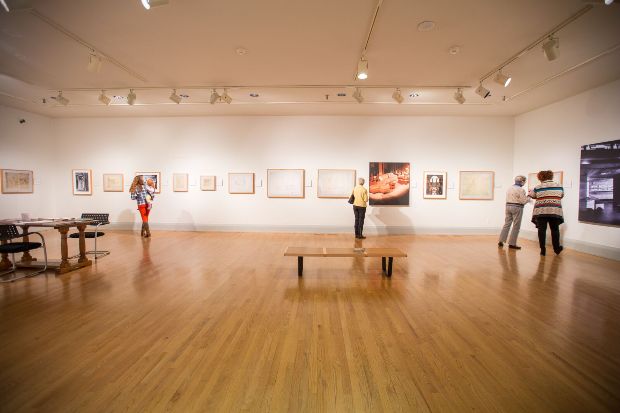
The Academy Art Museum (AAM) is set to break ground on the Henny and James Freeman Annex and Hormel Research Center, a custom-built, state-of-the-art facility designed to preserve and expand access to the Museum’s permanent collection of over 1,700 works of art. The new complex, located at 106, 108, and 110 Talbot Lane, is made possible through a generous donation by AAM Trustee Elizabeth Hormel.
At its heart, this project advances AAM’s commitment to responsible stewardship and public access. The new facility will feature climate-controlled vaults, conservation-grade storage, and a research center—providing a secure and sustainable environment for the museum’s expanding collection while creating opportunities for scholarship and community engagement.
“The Academy Art Museum is a place where creativity meets community,” said Diz Hormel. “
The new Freeman Annex and Hormel Research Center will enable the museum to be more ambitious with its collection while preserving history and honoring the first known freed family to own property and settle in the Hill community of downtown Easton. This project both embraces
our past and inspires our future.”
While the Freeman Annex and Hormel Research Center will not be a public gallery space, it represents a major expansion of the Museum’s educational and research mission. Scholars, students, and community members will be able to schedule appointments to study works from the collection up close, opening new avenues for engagement, scholarship, and learning.
“Much of our collection has never been on public display,” said Charlotte Potter Kasic, Director
of the Academy Art Museum. “This new facility gives us the ability to conserve and share these
important works responsibly, while also creating a space for research and deeper connection with our community.”
The site itself carries remarkable historic significance. Once owned by Henny and James Freeman, the property at 106 Talbot Lane was home to the earliest documented free Black landowning family in Easton, Maryland. To better understand and honor this history, the Museum commissioned The Ottery Group, a Maryland-based firm specializing in archaeology
and historic preservation, to conduct multiple excavations by the spring of 2023, The Ottery Group had unearthed more than 6,000 historical artifacts, including pottery, glass, wrought iron nails, butchered bones, children’s toys, and personal
objects such as buttons, jewelry, and a hair comb. Many items, including handmade glass bottles and ceramics, date to the 18th and early 19th centuries—when the Freeman family lived on the site.
Working with GRT Architects (Brooklyn, NY) and local architect and preservationist John Hutchison, the Museum has developed a design that celebrates this layered history. The new structure will be set across from the existing two-story building, framing a central courtyard that will serve as the heart of the property. The courtyard will include a public display of artifacts discovered during excavation, linking Easton’s past and present in a shared narrative of art, history, and community.
“This project represents the perfect intersection of art, history, and education,” said Kasic. “It provides the flexibility and infrastructure we’ve long needed to steward our growing collection responsibly, while also creating opportunities for discovery, learning, and connection.”
Special thanks to the Talbot Lane Committee, including Museum staff and Board Members Donna Alpi, Diz Hormel, Nanny Trippe, Chris Walsh, Mary Ann Schindler, and Jill Meyerhoff, whose leadership and vision have helped bring this transformative project to life. A Groundbreaking ceremony is scheduled for Thursday December 18th 2025 at 10 am at the Academy Art Museum. All media is welcome.